
Best betting sites with tether
 Available in US
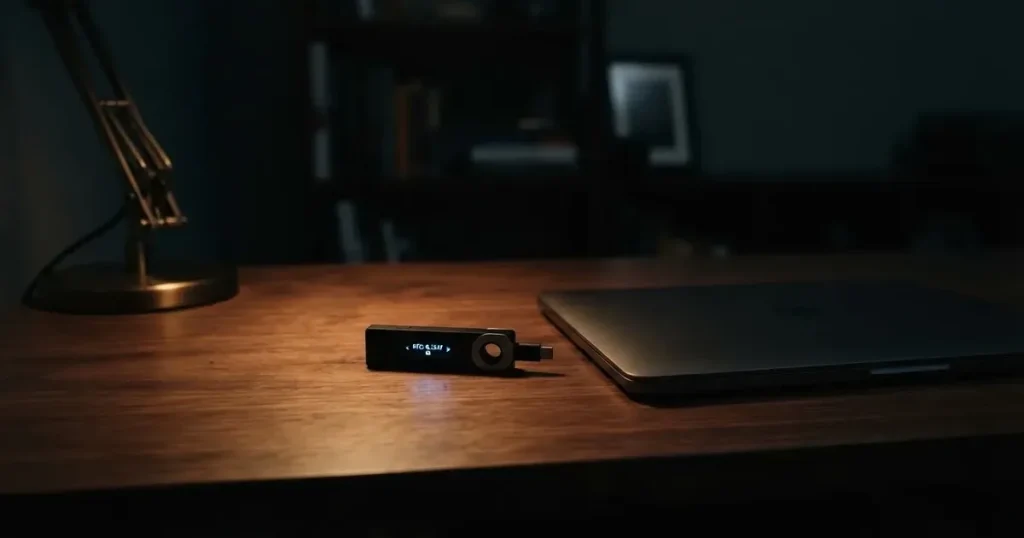
A note on currency and timing before anything else. This page was reviewed on October 30, 2026 against the Gambling Commission’s public register and each operator’s own terms as those terms stood on the date of review. Tether (USDT) is treated here as the payment instrument the page is about, not as a recommendation to use one — and the licence check is what decides who is on the list, not whether the brand is friendly to crypto.
How crypto deposits sit inside a British licence
Tether was launched in 2014 under the working name Realcoin, with the first USDT tokens issued on 6 October 2014. The founders were Brock Pierce, Reeve Collins and Craig Sellars, and the issuer, Tether Limited, shares a parent company with the Bitfinex exchange. Each token is meant to keep a one-to-one peg with the US dollar, and USDT now moves across multiple blockchains, including Bitcoin’s Omni layer, Ethereum, Tron, Solana, Polygon and Avalanche. Two regulator actions sit in the recent record: in October 2021 the US Commodity Futures Trading Commission fined Tether $41.6 million for inaccurate claims that USDT was at all times fully backed by reserves, and in February 2021 Tether and Bitfinex reached an $18.5 million settlement with the New York Attorney General over the same reserve question. None of those actions disqualifies USDT as a payment rail, but a punter who reads the news knows the peg is not a guarantee.
British tax treatment is its own line. HMRC does not treat exchange tokens such as Tether as currency or money for UK tax purposes, which changes how a balance held in USDT shows up under Stamp Duty, Income Tax and Corporation Tax. A punter who moves large sums in and out of a betting account in USDT is dealing with a cryptoasset, not pounds, and that has bookkeeping consequences beyond the betting site. A separate incoming regime will, from 25 October 2027, require FCA authorisation for any firm that wants to issue stablecoins such as Tether to UK customers, with applications opening on 30 September 2026, and the FCA and Bank of England have set out how they will jointly regulate stablecoin issuers HM Treasury classes as systemic. Those rules govern the issuer. They do not, on their own, decide whether a licensed bookmaker accepts USDT — that is a separate, operator-level decision.

What the Gambling Commission says about crypto at a licensed operator is more pointed than the tax line. The Commission classes cryptoassets, including stablecoins such as Tether, as a high-risk payment method requiring enhanced customer due diligence from licensed gambling operators. Translated: a GB-licensed bookmaker that does take USDT will ask more questions than it asks of a debit-card depositor, and may decline or step up checks at any point. There is no statutory ban on USDT deposits at a licensed site, and there is no statutory green light either — every brand on this page has been checked against the Commission’s public register for a current remote licence, and the page says only what each operator’s own terms say about which coins or payment methods are accepted.
One last point on identity. Since 7 May 2019 every GB-licensed online bookmaker has verified name, address and date of birth before a customer can deposit or gamble, including with a free bet or bonus. “Anonymous Tether betting” is therefore a contradiction at a licensed site: the bettor cannot remain anonymous to the bookmaker. Brands that pitch themselves as anonymous and run on a non-GB licence are outside the scope of this page, by design.
What a UK licence buys the punter, and what it does not
The Gambling Commission licences the whole commercial market in Great Britain under the Gambling Act 2005, which covers England, Scotland and Wales; Northern Ireland sits outside the Act and has its own older framework, so “GB-licensed” is the precise term. Since the Gambling (Licensing and Advertising) Act 2014 an operator whose remote facilities are used in Great Britain needs a Commission licence wherever it is based — sections 33 and 36 of the 2005 Act as amended — and a Curaçao, Maltese or Gibraltar licence is not a substitute. The Commission’s public register can be searched by business name, trading name, domain or account number, and a brand’s presence on it is the whole test of whether it holds a current licence. Several brands can run under one licensee — Ladbrokes and Coral under one, Paddy Power and Betfair under another — so they are not independent operators even when they look like it on a high-street listing.

Two adjacent points matter for a punter who cares about Tether. First, the Commission does not publish a list of approved payment methods; credit cards are banned for gambling in Great Britain since 14 April 2020 (LCCP condition 6.1.2), including credit-card-funded payments through an e-wallet, while debit cards and bank-based payments are not covered by that ban. Whether a licensed bookmaker accepts USDT is a question for that bookmaker’s own terms, not the regulator. Second, every GB-licensed online operator takes part in GAMSTOP, the national multi-operator self-exclusion scheme, and self-exclusion is a mandatory licence condition for online operators since 31 March 2020. A Tether-friendly brand that holds a GB licence is therefore enrolled in GAMSTOP; a Tether-friendly brand that does not hold a GB licence is not, and the punter loses that backstop along with several others.
The Commission announced, on 7 July 2026, a staged plan for financial risk assessments (“affordability checks”) with no start date. That is the correct way to write it. The earlier financial vulnerability check, LCCP condition 3.4.4, has been in force since 30 August 2024 and applies once a customer’s deposits minus withdrawals exceed £150 in a rolling 30 days — that trigger took effect on 28 February 2025. It is a public-record check (bankruptcy or county court judgments, for example), not an income check and not a credit reference check. The deposit-limit regime under RTS 12 has had its first changes in place since 31 October 2025 and a second phase postponed to 30 September 2026; whether that second phase is live as of October 30, 2026 is not established. There is no state-set deposit or loss ceiling: limits are the punter’s own choice within the tools each operator provides.
Bonuses are the one place the cost angle shows up most directly. Promotion rules in force since 19 January 2026 cap wagering requirements on bonuses at 10x — a £10 bonus at 50x would require £500 of qualifying bets; under the cap the same bonus cannot demand more than £100 of qualifying bets — and they ban mixed-product promotions that require gambling on two or more product types. Whether the 10x cap applies to free bets with no wagering condition, and whether there is any cap on the money value of a bonus, are not established in the rules as written. The page describes offers only from each operator’s own terms. No promo or voucher code is printed anywhere on this page; codes change, expire, and are tied to specific customer journeys, and a printed code that no longer works is a worse guide than no code at all.
Tax and player winnings are a separate layer. The player pays no tax on betting winnings in Great Britain (general information, not tax advice; a professional gambler should ask HMRC or an adviser). General Betting Duty is the operator’s tax on gross profits, currently 15%; from 1 April 2027 a new remote betting rate of 25% applies within it, while remote bets on UK horse racing, self-service betting terminal bets, pool betting and in-person betting stay at 15%. Until that date the remote rate stays at 15% and whether operators pass the change on through odds is not established, and the page never writes that the player is charged duty.
Offshore brands that serve GB customers without a licence expose the punter to a different set of risks. Providing gambling facilities in Great Britain without the licence the Act requires is an offence under section 33 of the Gambling Act 2005. The offence is aimed at the operator, not the customer: no offence aimed at a customer who merely bets on an unlicensed site was found. What is lost is the protective layer: no GAMSTOP coverage, no Commission complaints route, no approved dispute-resolution body, no British consumer redress if funds are withheld, and none of the licence conditions — the 10x bonus cap, the £150 vulnerability check, the verification regime — apply. Enforcement against unlicensed sites is disruption, not blocking: cease-and-desist notices, search-engine referrals, work with registrars, hosts and payment providers, and the Commission has been given or is about to receive court-order DNS blocking powers. Honest framing for the punter: licensed means checks, limits, GAMSTOP and the 10x bonus cap, but also verification before the first bet; unlicensed means none of those protections and the real possibility of funds being held without recourse. Neither is “the safe choice” by default; they are different bets on what the punter values.
Safer gambling and the layer a Tether punter cannot opt out of
Three names recur across GB safer-gambling material and they belong together: GamCare (which runs the National Gambling Helpline), GambleAware, and the NHS gambling clinics network, with Gamblers Anonymous as the long-standing peer-support route. A punter who funds the account in USDT has the same access to those services as a debit-card punter, because the support layer sits with the regulator and the charities, not with the payment rail.
GAMSTOP itself is the operational backstop. Periods are six months, one year, five years, or five years with auto-renewal, and after the minimum period the exclusion stays in place for a further seven years unless the customer asks GAMSTOP to remove it. GAMSTOP covers online sites and apps; betting shops use a separate service, so a punter who has self-excluded online and walks into a shop still needs to make the same arrangement there. Self-exclusion is a licence condition at every GB-licensed online operator, and a Tether-accepting brand that does not offer GAMSTOP is, by definition, not on the register.
Two practical notes for someone moving in and out of an account in USDT. First, the £150 rolling-30-days vulnerability check applies at a GB-licensed operator regardless of the payment method, and the enhanced due diligence on crypto deposits can come sooner or later than that trigger — the Commission’s framing of crypto as a high-risk payment method gives operators latitude to ask earlier. Second, no state-set ceiling exists on deposits or losses, so the operative limits are the ones the punter sets inside the account and the ones the operator agrees to accept; a punter who wants a hard ceiling needs to set one in the responsible-gambling settings before the first deposit, because raising it later is easier than lowering it. None of this is advice; it is the layout of the floor underneath the betting slip.
Star Sports
Star Sports is a GB-licensed bookmaker on the Commission’s public register under remote licence 009177-R-104555-019 (Commission account 9177), with the licence holder recorded as Star Racing Limited and the registered site at starsportsbet.co.uk. The headline offer to a Tether-curious punter is not on the betting slip — it is in the way new accounts are opened: customers can speak to a trader directly on 08000 521 321 to open an account, place bets or ask customer queries, with email backup at [email protected]. That phone-first onboarding is unusual for an online bookmaker and matters because the Commission’s crypto-as-high-risk-payment stance will, in practice, mean more questions before a first USDT deposit than a debit-card punter faces.
On its own terms the brand runs the kind of full-assortment and a propriety that suits a phone-led relationship: horse racing is the centre of gravity, but the same app covers the wider sports menu the GB market expects. The licence line is the only test that matters for inclusion on this page, and Star Sports clears it. The brand is not a token-friendly payment headline; the page has no licence-conditional evidence that USDT is accepted as a deposit method at Star Sports, and a punter who wants to fund in Tether needs to confirm that with the trader on the number above before moving any funds. Where Star Sports wins on this page is the licence plus the human onboarding, and that combination is exactly what a punter who values a known counterparty over a slick app will look for.
The verdict for the Tether punter is that Star Sports is the right answer when the betting slip is secondary to knowing who is on the other end of the line, and the wrong answer when a punter wants a fully app-driven onboarding. The licence is current, the verification regime is the GB standard, and the crypto deposit question is the punter’s first call, not an assumption.
How to read the comparison table
The single table on this page is the cross-brand view a punter needs before opening an account. The columns are: the brand name; the Gambling Commission remote licence number and licence holder (the test of whether the brand belongs on this page at all); what the operator’s own terms say about the subject key (the words the brand uses about its own payments menu); and the page’s reading of the Tether subject support, drawn only from those terms or from the Commission’s own statements where the brand is silent. Every cell comes from research or from the operator’s own terms; no row is padded with a guess. The order is not a ranking; a place in this table is not a recommendation.
| Brand | Gambling Commission licence and holder | Operator’s own terms on the subject | Subject support |
|---|---|---|---|
| Star Sports | Remote licence 009177-R-104555-019 (account 9177); licence holder Star Racing Limited | Phone-first onboarding (08000 521 321) and email support ([email protected]); full sports menu centred on horse racing | listings-only — confirm USDT acceptance with the trader before depositing |
The table is short on purpose. Only one operator clears the licence check on this page, so a longer comparison would have to invent rows, and a row invented from the writer’s head is worse than a short honest table.
What the cost of a “free” offer looks like
Bonuses and free bets are where the page’s angle — what this costs the punter — is sharpest. Two worked examples from the offers research has documented, set out in plain prose rather than as a formula, show how a small headline can carry a heavy turnover behind it.
A “£30 in free bets” headline at one GB-licensed bookmaker, credited as three £10 free-bet tokens after a deposit of at least £5 and a first single or each-way bet of at least 5p at odds of 1/1 or greater, looks like £30 of value for a £5 deposit. The arithmetic is straightforward: £5 down, £30 back in tokens. What costs the punter is the qualifier. Each free-bet token is the standard kind whose stake is not returned with a win, so a winning £10 token at fractional odds of 1/1 pays £10 in money plus the £10 token back — wait, no: the standard free bet at GB-licensed brands pays winnings only and does not return the stake, so a £10 token at 1/1 returns £10 in winnings, not £20. Three tokens, three qualifying bets, and the tokens expire on the operator’s stated clock. The headline number is real; the mechanics are the cost.
A “Bet £10, Get £10 in Free Bets” welcome at another brand requires a first deposit and at least one qualifying bet, with minimum odds, a 7-day expiry on the free bet and the stake not returned on a win. The £10 in tokens against a £10 deposit is one-for-one at the headline, and the cost is the minimum-odds gate, the seven-day clock and the stake-not-returned mechanic. If the qualifying bet is at the minimum odds, the punter has exposed £10 to win nothing more than the trigger; the £10 token then has to find a price at which it can clear before the seven days are up.
The £10 free bet at the third documented offer, awarded when a first £10+ bet loses, is the cleanest cost-on-the-punter shape: the punter risks £10 to win £10 in tokens if the first bet loses, and the £10 token, like the others, pays winnings only. Across the three offers the pattern is the same — a small headline, a stake-not-returned token, a clock, a minimum-odds gate — and the 10x bonus cap that took effect on 19 January 2026 bounds the heaviest of those gates at ten times the bonus base.
A free bet whose stake is not returned is worth, on average across the markets a punter can place it on, less than the headline number. That is the entire cost-of-a-bonus argument in one sentence, and the £30 or £10 token on this page is no exception. None of these mechanics is hidden; every one is in the operator’s own terms, and every punter who claims a welcome offer should read the qualifying-bet rule, the minimum odds, the expiry and the stake-not-returned line before clicking through. The 10x cap is a backstop on the wagering multiple, not on the token’s underlying value.
Frequently asked questions
Can you bet against Tether?
Tether is a payment instrument, not a betting market. The Gambling Commission classes cryptoassets as high-risk, meaning operators conduct enhanced due diligence on such deposits. While you can fund an account with Tether where accepted, you cannot “bet against” Tether itself; exchange-based betting is a distinct, licensed activity.
Can you lose on Tether betting?
Yes. You face the double risk of the betting outcome and any fluctuation in the Tether value against the dollar. The peg is a target, not a guarantee, and reserves have faced regulator scrutiny. Keeping large balances in USDT on a betting site exposes you to both risks simultaneously.
Can you use Tether in betting shops?
No — the betting-shop counter runs on cash and card. Online is the only channel where a USDT rail could attach, and even online it depends on the operator’s own terms. The Commission’s verification rules that apply before the first deposit apply regardless of which channel the punter uses.
What does a punter lose by betting on a site without a Gambling Commission licence?
You lose the entire protective layer of a GB licence: no GAMSTOP coverage, no Commission complaints route, and no approved dispute-resolution body. Critical safeguards like the 10x bonus cap and the £150 vulnerability check do not apply. While unlicensed sites may accept crypto, you lose all British consumer redress.
How can it be checked that a bookmaker holds a Gambling Commission licence?
Search the Gambling Commission’s public register by business name, trading name, domain, or account number. This register is the definitive test. A presence on it under a current remote licence is required for inclusion here. Never rely on domains alone, as licensed operators use both “.com” and “.co.uk” variants.
Payments & apps – oddsguaranteed
Content created by the «oddsguaranteed» team
