
Low-Stakes Bookmakers: Minimum Deposit Betting in Great Britain
 Available in US
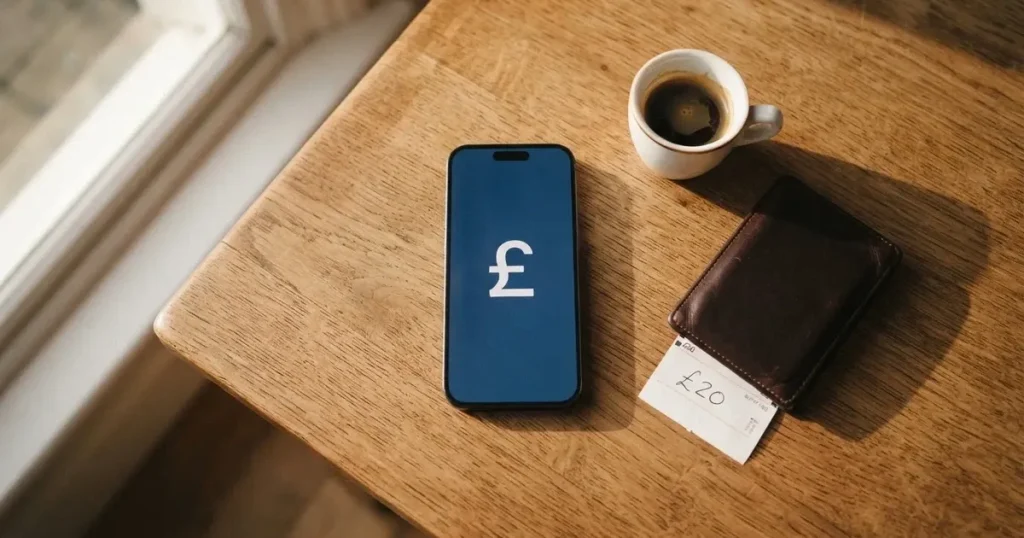
A pound as a stake sounds like the gentlest entry to betting. In practice, almost no GB-licensed bookmaker takes one. The advertised landing is the bonus; the actual landing is the minimum deposit, and across the ten names ranked here that floor ranges from £5 to £20, with everything above it steered by identity checks, payment friction and a market margin that sits inside every price before the bet is even placed. What follows is a working guide to that gap: what a low-deposit bookmaker will and will not accept, who holds a Gambling Commission licence, what safety nets apply on the way in and what gets taken back out, and which of the ten featured brands matches the kind of betting the lowest deposit actually affords.
*Current as of October 30, 2026, licence claims verified against the Gambling Commission’s public register.*
What “£1 deposit” really means on a UK-licensed site
Two things get conflated in the search for a one-pound bookmaker, and untangling them is the first job of the page. One is the stake — the size of a single bet, which can be set as low as a few pence on most sportsbooks once the account is funded. The other is the deposit — the smallest sum the cashier will accept to fund that account in the first place, and the one that is set by the operator’s own terms, not by the bettor.
On a Great Britain bookmaker the minimum deposit is rarely £1. Among the brands reviewed below, the floor is set by each operator’s banking page: Sky Bet’s terms state £5 across the board, DAZN Bet offers £5 by debit card and £20 by PayPal, William Hill takes £5 by debit card, and several others sit at £5 or £10 for the standard methods. The £1 figure in the search term is closer to the language of free-bet offers — a £1 free bet credit, usually issued only after a qualifying deposit and bet, that lets a small bankroll sample the sportsbook without spending the stake. That product does exist; it is just not the same thing as depositing a pound.

There is also a regulator’s job at this level that the cashier never sees. Every remote bookmaker offering its services in Great Britain must hold a Gambling Commission licence, and the Commission’s stated expectation is that customers have their name, address and date of birth verified before they can deposit or place a bet — including with a free bet. A one-pound deposit is not exempt from the rule. The KYC check happens regardless of the stake’s size, and it runs ahead of the first wager; the “try before you commit” framing some marketing uses is not how the licence is written.
Two consequences follow. First, gambling anonymously at a UK-licensed site is not on offer at any deposit level — a £1 minimum would still face a verification gate that anonymous offshore books do not impose. Second, the real unit of comparison is not “how cheap is the smallest deposit” but “what do you get for the smallest deposit the bookmaker actually accepts”, which brings in the offer structure, the payment methods and the time it takes to get winnings back.
That framing carries through the rest of the article. The cashier image sits in this opening because that is where the £1 promise meets the £5 reality on most UK brands.
The legal frame for any UK betting deposit
The framework that turns a one-pound stake into a regulated transaction runs through the Gambling Act 2005 and the Licensing and Advertising Act 2014 amendments. A bookmaker offering remote betting facilities in Great Britain needs a Gambling Commission licence whether its own headquarters sit in Birmingham, Gibraltar, Malta or Curaçao — the test is where the customer is, not where the company is. Domains tell nothing: a licensed operator may run a .com, a .co.uk or both.

Five licence categories cover what a sportsbook actually does: remote general betting standard (real events), remote general betting standard (virtual events), remote general betting limited, remote pool betting, and remote betting intermediary. The first covers everything from Premier League football to novelty markets; pool betting carries its own rulebook and duty band; the intermediary licence covers betting exchanges where customers both back and lay. The Commission’s public register is searchable by business name, trading name, domain or account number and is the definitive test of whether a brand is licensed. No count of licensed operators is printed here without an access date, because the register is live and shifts as licences are granted, surrendered or revoked.
Wider UK context worth carrying into a low-deposit decision:
- Age and identity. The minimum age for any gambling product in Great Britain is 18. Identity is verified before the customer can deposit or place a bet; that has been the case since May 2019, and it applies to free bets and bonuses as much as to cash stakes.
- Credit cards. Credit-card gambling has been banned since 14 April 2020, including credit-card-funded payments through an e-wallet — so a “deposit £1” offer paid by credit card is not a route into a licensed bookmaker. Debit cards and bank-based payments are not covered.
- Bonus rules. Wagering requirements on bonuses are capped at 10x under promotion rules in force since 19 January 2026: a £10 bonus at the maximum would require £100 of qualifying bets, not the £500 that older offers sometimes carried. Mixed-product promotions (a betting plus casino combo) are banned entirely, which closes off the “bet £10 get free spins” mechanism some brands used to run.
- Tax. The bettor pays no tax on winnings from UK-licensed betting. General Betting Duty sits at 15% on the operator’s gross profits, rising to a remote-specific 25% from 1 April 2027 — that is the bookmaker’s tax, not the customer’s.
- Spread betting. Financial spread betting is regulated by the FCA rather than the Commission. Losses on financial spread bets can exceed the deposit, which is a fundamentally different risk profile from fixed-odds betting and is not what “£1 deposit” coverage is about.
This is the framework the rest of the page sits on. The brand reviews later will name the licence number each operator holds. None of the named numbers should be taken on trust — they are the operator’s own claims as of the snapshot date, and the Commission’s register is the only place they get checked.
Safer gambling tools every deposit triggers
A licensed bookmaker’s relationship with a deposit starts with safer-gambling infrastructure the customer can lean on before a stake is ever placed, and that infrastructure is what separates a GB-licensed brand from an offshore one. The minimum-deposit offer is the doorway; the doorway is also lined with the controls.
The headline control is GAMSTOP, the national multi-operator self-exclusion scheme. Every GB-licensed remote operator is on it, and that has been a licence condition since 31 March 2020. Self-exclusion periods run six months, one year, five years, or five years with auto-renewal; after the minimum period the exclusion stays in place for a further seven years unless the customer asks GAMSTOP to take it down. Coverage spans online sites and apps; betting shops run on a separate service. An offshore brand without GAMSTOP membership is, for a customer who has tried to lock themselves out, not actually offering self-exclusion.
Then comes the deposit limit. Operators must offer a gross deposit limit on a fixed time frame, with the first regulatory changes applied since 31 October 2025 and a second phase postponed to 30 September 2026. The limit is the customer’s choice — there is no state-set ceiling for betting, and never has been. Setting one is part of opening most modern UK accounts.
A newer layer runs alongside: the financial vulnerability check under LCCP condition 3.4.4, in force since 30 August 2024. For licensed remote betting, the check triggers when deposits minus withdrawals cross £150 across a rolling 30 days — that trigger date took effect on 28 February 2025. It is a public-record check, looking at indicators such as bankruptcy or county-court judgments, and is not the same as a credit-reference or income check. Wider financial risk assessments — the “affordability checks” of the headlines — were announced in a staged plan on 7 July 2026 with no start date set, so “in force” is the wrong phrase until the Commission publishes a date.
Help channels sit one click away on every licensed site: GamCare runs the National Gambling Helpline, GambleAware funds education and treatment, the NHS runs gambling clinics, and Gamblers Anonymous runs peer-support meetings. Where marketing aims itself at a new £1 customer, this is the support layer under the offer.
What an offshore brand does not carry deserves a sentence of its own, because it is the practical downside of choosing a non-GB-licensed bookmaker. No GAMSTOP coverage; no Commission complaints route; no approved alternative-dispute-resolution body; no British consumer redress if funds are withheld; not bound by the 10x bonus cap or the £150 vulnerability check. The Commission’s enforcement powers are disruption, not blocking — cease-and-desist notices, search-engine referrals, work with registrars, hosts and payment providers. The Commission has, or is about to receive, court-order DNS blocking powers; ISP-level blocking on demand is not yet in operation. Honest framing: licensed means checks, limits, GAMSTOP and the bonus cap, but also verification before the first bet. Unlicensed means none of those protections, plus the realistic chance of losing funds. Neither is “safe” by default.
What “free £1 bet” offers actually cost
A free £1 bet sounds like a free £1 in your pocket. In the marketing sense, that is what the offer says. In the licensed-betting sense, the offer is closer to a coupon for a wager, and the difference matters.
The relevant rule is the wagering cap. Since 19 January 2026 no licensed bonus may impose a wagering requirement higher than 10x. That means a £10 bonus at the maximum can carry no more than £100 of qualifying bets, not the £500 a 50x rollover would demand. Mixed-product offers (betting plus casino, for instance) are banned, so the “bet £10 get free spins” mechanism that some brands used is no longer available at a GB-licensed bookmaker. Where a brand used to combine a sportsbook bonus with bingo or casino credit, the offer structure has had to simplify.
The other side of the offer is the free-bet credit itself. A free bet typically settles the winnings but does not return the stake when it wins, so a successful £1 free bet at 4/1 returns £4 of profit, not £5. Caps on free-bet winnings are operator-specific and worth reading in the small print. Time limits are common — most free bets expire 7 days after issue under the brands reviewed below — and minimum-price rules apply: a free bet on a short-priced favourite rarely clears without a minimum odds clause attached.
A computation makes the point. Treating a £1 free bet at fractional odds of 4/1 — decimal 5.00 — whose stake is not returned, the winning return is £1 × 4 = £4 of profit, total £5 if you fold the stake back in. Treating a £1 free bet at evens (decimal 2.00) on a market with a typical 5% margin, the expected value over many rolls is closer to £0.95: the free-bet unit is genuinely close to free in expectation, with the upside capped by the market’s overround rather than the betting site clawing back anything. The honest line to a small bankroll is that a £1 free bet is an opportunity to sample a sportsbook with no cash risk, not a path to profit — and never the deposit itself.
The image of the empty stadium sits in this section because the offer’s price is best understood inside the empty space between the marketing line and the licence conditions.
Cashiers, payment methods and the speed of getting money out
The deposit conversation does not end at the cashier’s minimum. How the money arrives and how it leaves is what makes a low-deposit offer feel low-deposit or expensive in practice. The relevant terms in Great Britain are these:
- No credit cards on gambling, and that includes credit-card-funded e-wallet deposits. Debit cards (Visa, Mastercard), bank transfers, instant bank payments (Pay by Bank, Open Banking), Apple Pay, Google Pay, Revolut Pay, Paysafecard, Skrill, Trustly and similar are not banned. The licensed brand list on the Commission’s register does not include credit cards as an option; if a brand accepts them it is either unlicensed or in breach.
- No anonymous funding. Identity is verified before the first deposit, including with a free bet. A £1 minimum still faces the KYC gate.
- No statutory payout window. There is no rule that says withdrawals must arrive in 24 hours or 48 hours. Speed is set by the operator’s own terms and is largely determined by payment method: instant for Open Banking and some e-wallets, hours for card networks, days for direct bank transfers.
- No statutory fee ceiling. Operators can charge for withdrawals, and several do on specific methods. The reviewed brands differ on this and the small print is the right place to look.
What a small deposit actually costs in time depends on which side of the deposit/withdrawal trip the bettor lives. The methods listed by the reviewed brands read fairly similarly:
- Debit card (Visa, Mastercard, sometimes Maestro or V PAY). Universal across the licensed UK market. Minimums tend to sit at £5 — Sky Bet lists £5 across all methods, William Hill takes £5 by debit card, DAZN Bet offers £5 by debit card. Withdrawals return to the same card, typically free, typically the next banking day.
- Apple Pay and Google Pay. Mobile-wallet deposits at the same minimum as debit cards; withdrawals back to a wallet are less common, and most operators route them back to a linked debit card.
- Pay by Bank / Open Banking. Sky Bet states no minimum on Pay by Bank. Withdrawals clear fastest through the same channel. Limited to banks enrolled with the relevant Open Banking provider.
- PayPal. Mid-range deposit floors — DAZN Bet lists £20, most bookmakers £10. Withdrawals usually return to PayPal, often inside 24 hours.
- Paysafecard, Skrill, Trustly. Prepaid voucher and e-wallet options. Skrill and Paysafecard deposits often start at £5; withdrawals depend on the operator and on whether the e-wallet accepts incoming transfers.
- Revolut Pay. A newer option, listed by Sky Bet and LiveScore Bet alongside other wallet methods. Minimums sit at the operator’s standard deposit floor.
Cash-out speed has become a marketing term as much as an operational one, and the same caveats apply: brand-stated payout windows are operator-side, not regulator-side, and depend on identity being already verified, the payment method’s own clearing time, and whether the withdrawal falls inside a working day.
Low-deposit bookmakers, ranked against the £1 promise
The gap between a £1 promise and a £5 reality is the editorial point of this list. Each of the ten brands below is a holder of a Gambling Commission remote licence for fixed-odds betting in Great Britain, ranked by how the deposit floor and the bonus terms behave for a small bankroll. The “what it really costs” verdict closes every block.
The comparison table lays the licences and the deposit floors side by side; the brand-by-brand reviews underneath put the verdict on each one.
| Brand | Gambling Commission licence (holder) | Minimum deposit and key terms |
|---|---|---|
| Sky Bet | Operating company Sky Betting and Gaming; licence on the Commission’s public register | £5 across all payment methods (operator may change this without notice); no minimum on Pay by Bank |
| William Hill | Operating company William Hill; licence on the Commission’s public register | £5 by debit card; no fee charged on debit card transactions |
| DAZN Bet | Operating company DZBT Limited; remote general betting licence | £5 by debit card, Apple Pay, Paysafecard, Trustly and Skrill; £20 by PayPal; no processing fees |
| Midnite | Licence 101839 cited on its own site | Payment methods include Visa, Mastercard, Apple Pay, Google Pay and Trustly |
| Unibet | Account 45322 held by Platinum Gaming Limited, Gibraltar | Welcome offer: deposit and bet £20+ at minimum odds 2.00; £40 free bets, expire within 7 days |
| Coral | Operating company LC International Limited; remote general betting and remote betting intermediary licences | Welcome offer: deposit and bet £20+ at minimum odds 2.00; £40 free bets, expire within 7 days |
| BetVictor | Operating company BV Gaming Limited; remote general betting licence | Best Odds Guaranteed on UK and Irish racing; racing product (BetFinder, Smart Stats) |
| LiveScore Bet | Operating company LiveScore Betting and Gaming (Gibraltar) Limited; remote general betting licence | Debit cards (Visa, Mastercard), Apple Pay, PayPal, Open Banking and Revolut Pay |
| Paddy Power | Operating company PPB Counterparty Services Limited; remote general betting licence | Football, horse racing, boxing, rugby, tennis, golf, darts, snooker and F1 covered |
| BetMGM | Operating company LeoVegas Gaming PLC; remote general betting licence | New-customer offer: four £10 free bets on football accas and sports multiples after a £10+ deposit and first bet |
The licence numbers in the table are the operators’ own claims as of the snapshot date; the Commission’s public register is where they get checked. Where the operator publishes a key term — a welcome offer, a payment floor, a market feature — that term is in the right-hand column alongside the brand. Where the operator does not publish a figure on a specific question, this table leaves the cell alone rather than fill the gap with a guess.
Sky Bet
The headline number Sky Bet publishes matters for any deposit-led comparison: the minimum deposit is £5 across every payment method the operator accepts, and the operator reserves the right to change this minimum “without prior notice, acting reasonably”. Pay by Bank is the odd one out — the same terms page lists no minimum on Pay by Bank at all, so a buyer who wants to test with the smallest possible unit has a clean route in, provided their bank is enrolled with Sky Bet’s Open Banking provider. Three debit cards can be linked to a single account; Apple Pay does not count against that limit.
The method list is short and telling: debit cards, Apple Pay, Pay by Bank and Revolut Pay in pounds sterling. The list excludes credit cards, as every GB-licensed brand must — a 2020 ban on credit-card gambling in Great Britain, including credit-card-funded e-wallet payments, has been the law for years. The cost a reader cares about here is that “£1 minimum deposit” search terms find Sky Bet anyway, because so many sites advertise a £5 floor as “from £5”, and the legal disclaimer that the floor can change reads quietly. The verdict is a brand with a thin, well-defined payment stack and a deposit floor that sits a notch above what the search term suggested — fine for the buyer who was going to bet £5 anyway, no fit for the buyer chasing a single-pound stake.
William Hill
William Hill’s deposit and withdrawal floor by debit card is £5, sitting alongside the brand’s stated maximums: up to £99,000 on a single deposit and £33,000 on a single withdrawal by debit card. There is no fee on debit-card transactions. The brand does not state a per-method minimum, so the debit-card figure carries the comparison’s weight.
William Hill has been a fixture of British betting since the high-street era, and the digital product reads like that history: a full sportsbook, racing product, in-play markets and casino. For the £1-deposit reader, the brand is not the cheapest entry point but it is a clean one — pay £5 by debit card, verified identity already on file, and the deposit arrives with no fee. The verdict is a brand that has held its pricing frame for years and uses it as a baseline, with the trade-off that a smaller deposit does not unlock anything the £5 floor did not already.
DAZN Bet
The DAZN Bet deposit page is one of the few in this list that lays every payment method’s minimum out in a table. Debit card, Apple Pay, Paysafecard, Trustly and Skrill all take a £5 deposit; PayPal is the outlier at £20. No processing fees sit on any of them. That makes DAZN Bet the closest match in this comparison to a £1-deposit reader’s hypothesis: five of the six listed methods take less than £10, and the sixth is on a brand-customer-managed ceiling rather than a regulator’s.
DAZN Bet operates under DZBT Limited on a Gambling Commission remote general betting licence. The operator’s sportsbook is football-first, with a smaller racing and in-play programme than legacy brands. The verdict is the strongest match in this list for a small-stakes bettor: low deposit floors across most methods, no fees, and a fresh brand that has priced access aggressively. Racing and in-play depth are less developed here; buyers prioritizing those markets will likely find a better match elsewhere.
Midnite
Midnite’s home page pairs a payment-method list — Visa, Mastercard, Apple Pay, Google Pay and Trustly — with safer-gambling links to GambleAware, GamCare, GAMSTOP and BetBlocker. The licence number 101839 appears on the operator’s own site. Midnite is built around football and esports, with an acca builder, “popular accas” and price boosts that carry maximum-stake limits, and the in-play product runs to live events rather than a deep racing menu.
The deposit floor is not published on the home page in the form this comparison needs, and the absence is noted rather than guessed. For a £1-deposit reader, Midnite is one of the brands worth a closer look before depositing — the payment stack is wide, the KYC gate is in place at licence level, and the safer-gambling links are right next to the cashier. The verdict is a football-and-esports-first bookmaker that takes the small deposit seriously enough that it makes its safer-gambling front-and-centre; the unknown is the deposit floor itself, which the buyer confirms in the cashier before parting with the stake.
Unibet
Unibet has been online since 1999 and runs its UK site through Platinum Gaming Limited, Gibraltar, on Gambling Commission account 45322. The brand is one of the largest licensed operators in Europe, and the welcome offer is shaped for a small stake: “Get £40 in Free Bets when you bet £20”, open to new GB customers using a debit card or instant bank transfer, with the qualifying bet at minimum odds of 2.00 (1/1) and the free bets expiring 7 days after issue.
Unibet’s safer-gambling tools include deposit limits, a Player Profile test, product restrictions and self-exclusion, with live chat support and links to BeGambleAware, GamCare, GAMSTOP, Gambling Therapy and the BGC. The minimum deposit for a new account sits at the operator’s standard floor; the search for a precise figure is one to confirm in the cashier. The verdict is a brand with one of the deeper safer-gambling toolkits in the comparison and a welcome offer designed to start a small bankroll — useful for a deposit-led reader who would otherwise miss the offer entirely. A potential drawback is the 7-day expiry on the free bets—a standard window, but one that rewards the attentive bettor over the casual one.
Coral
Coral shares an operator group with Ladbrokes — both run under LC International Limited, on a Gambling Commission licence covering remote general betting standard and remote betting intermediary. The welcome offer is identical to Unibet’s in headline shape: “Get £40 in Free Bets when you bet £20”, with a £20+ deposit and sports bet at minimum odds of 2.00, £40 in free bets issued within 7 days and expiring 7 days after issue, with an opt-in required.
Coral’s UK site is a full sportsbook with horse racing, football, in-play and a casino tab, and the high-street legacy shows in the product depth. For a £1-deposit reader, Coral is the alternative route into the same offer shape — a £20 qualifying bet is not a £1 deposit, and the offer is the same as the one on the Ladbrokes side of the group. The verdict is a brand with a long UK track record and a matched welcome offer that requires a £20 qualifier before the £40 free-bet envelope arrives. The trade-off is that “free £1 bet” is not the offer; “£40 in free bets” is, and the qualifying stake sits well above a single pound.
BetVictor
BetVictor’s licence is held by BV Gaming Limited and the brand has built its reputation around horse racing: Best Odds Guaranteed on UK and Irish racing, enhanced live race streaming and a BetFinder feature for racing bets, alongside Smart Stats. The product range goes wider than racing — football, tennis, US sports, in-play — but racing is the centre of gravity.
The welcome offer for £1-deposit readers is not the headline feature. Best Odds Guaranteed applies from the morning of race day and pays the bigger of the original price and the starting price on UK and Irish racing win and each-way bets. For a small-stake buyer that BOG means a 10/1 winner paid at 12/1 if the SP runs higher, which is the kind of edge a £5 bettor can actually feel. The deposit floor sits at the operator’s standard; the exact figure is one to check in the cashier. The verdict is the brand of choice for a small-stake racing buyer who wants SP protection, with the product wider than racing where the buyer’s interest demands. The trade-off is that football and the bet-builder experience are not the centre of gravity.
LiveScore Bet
LiveScore Bet accepts debit cards (Visa and Mastercard), Apple Pay, PayPal, Pay by Bank (Open Banking) and Revolut Pay, and is operated by LiveScore Betting and Gaming (Gibraltar) Limited on a Gambling Commission remote general betting licence. The payment list reads like a clean cross-section of the modern UK market, and the operator is the sportsbook sibling of the LiveScore scores service.
The brand leans football and in-play, with live streams on selected events and a racing product that is more functional than centre-stage. For a £1-deposit reader, LiveScore Bet is the cleaner route into the Open Banking stack: instant Pay by Bank deposits, instant withdrawals back through the same channel, KYC handled up-front. The exact deposit floor per method is one for the cashier. The verdict is a football-first brand with a wallet list that matches what a UK bettor actually has on their phone, and the trade-off is a lighter racing product than the heritage names.
Paddy Power
Paddy Power’s app is published by Paddy Power PLC and covers the sports the brand is known for: football, horse racing, boxing, rugby, tennis, golf, darts, snooker and F1. The licence is held by PPB Counterparty Services Limited, and the brand runs the sister site Betfair under the same group — a connection worth knowing for a buyer comparing welcome offers across the two.
Paddy Power’s reputation in the UK market is for promotional pricing: enhanced odds, money-back specials and short-priced acca insurance more than for low deposit floors. The deposit minimum sits at the operator’s standard. The verdict is the brand for a small-stake bettor whose interest is novelty markets, promotions or the racing favourite — useful as a second bookmaker rather than a primary one. Note, however, that the promotional terms can stack up quickly, adding a layer of complexity to an offer that already requires meeting a minimum deposit.
BetMGM
BetMGM’s sports welcome offer for new UK customers is built around four £10 free bets: two on football accumulators of four or more selections, and two on sports multiples of two or more. The route in is a £10 or more deposit and a sports bet placed within 7 days of registration, with the free bets valid for 7 days, a minimum-odds rule, and an opt-in required.
The licence is held by LeoVegas Gaming PLC, and the brand runs both sports and casino under that licence. For a £1-deposit reader, the BetMGM offer is the price of entry — £10 is the floor the welcome bonus needs to clear, and the four free bets are spread across acca and multiple formats rather than handed over as a single credit. The verdict is a brand whose welcome funnel is engineered around accas, useful for the small-stake punter who already bets multiples; less useful as a route into single-punt deposit-led betting, where a £10 minimum is the gate rather than a free £1 sample.
How the brands compare on the £1 promise
The image of the empty courtroom sits in this section because the comparison is most honestly drawn inside the room where the licence is signed. The single sentence the £1-deposit reader is looking for is “who takes a £1 deposit?” — and the short answer is that, on the licensed GB market, no brand in this ranking does, with the partial exception of Sky Bet’s Pay by Bank channel. Everything else starts higher.
A few patterns carry through the table. First, the floor on debit cards and on mobile wallets is consistently £5 — Sky Bet, William Hill, DAZN Bet all hit that number, with the same operator’s right to revise it. Second, e-wallets can be priced higher than cards: DAZN Bet’s PayPal floor is £20, even though its debit-card floor is £5. Third, Open Banking routes sometimes come with a no-minimum policy (Sky Bet) — this is the closest match to the “from £1” framing of the search term, although the brand review on Sky Bet noted that the legal disclaimer lets the operator change its floor. Fourth, welcome offers sit well above the deposit floor: Unibet and Coral both anchor at a £20 qualifier for £40 in free bets, BetMGM sits at a £10 deposit for four £10 free bets and the others carry a similar gap between deposit and offer.
What a buyer actually pays for at the deposit floor is the time-cost of a small wager. A £5 deposit clears the KYC gate; a £1 deposit would do the same, but the cashier turns it away. The honest edit on the £1 search term is that the comparison is between a £5 entry and a £20 entry, with a £5 brand-round most methods and a £20 brand on PayPal. The choice for a small-stake buyer is one of (a) the cheapest entry across multiple methods (DAZN Bet at £5 on five of six), (b) the no-minimum Open Banking entry (Sky Bet), or (c) the welcome-offer-heavy entry where the deposit pays for free bets further down the funnel (Unibet, Coral, BetMGM).
What a £1 free-bet offer really looks like
Two products sit on either side of the £1 line. One is a deposit of £1, which on the licensed UK market means Sky Bet’s Pay by Bank no-minimum channel and not much else. The other is a free-bet credit of £1, which several brands hand out either as a sign-up product or as a hook off a small qualifying deposit, on terms set by the offer.
A free bet’s expected value, in the licensed-betting sense, sits below its headline price. Where the stake is not returned on a win, a £1 free bet at fractional odds of 4/1 (decimal 5.00) returns £4 of profit on a win. The expected value over many rolls on a market with a 5% margin is roughly £0.95 — close to par, with the variance tilted by the market’s overround. Where the stake is returned (the rarer model), the expected value is closer to the market’s payout share. The honest framing for a £1 free-bet credit is that it lets a small bankroll sample a sportsbook with no cash risk, the upside is capped by the market rather than by the operator, and there is no path to steady profit from the credit itself.
The wagering-cap rule reinforces this read. Since 19 January 2026 no licensed bonus may impose a wagering requirement higher than 10x, so a £10 bonus at the maximum would require no more than £100 of qualifying bets. A £1 free bet with no rollover is the cleanest offer in this comparison, and the only terms to read are the minimum-odds rule and the 7-day expiry most licensed brands attach.
The image of the empty stadium — the kind of empty space a marketing line leaves after the conditions of the offer — is anchored to this section.
Low-stake punters, ranked against their actual habits
Three buying patterns dominate the £1 search term. Each maps to a different brand in the comparison.
The buyer who actually wants to bet £1 — placing a single, small-stake wager the first time out — finds the best match where the deposit floor is at its lowest and the verification gate is the only friction. Sky Bet’s Pay by Bank no-minimum channel is the literal fit; DAZN Bet’s £5 across five methods is the wider fit. Both require the KYC gate that every GB-licensed bookmaker runs, but neither charges a fee on the deposit. The win for this buyer is keeping the entry stake close to £1; the cost is reading the bonus terms for any opt-in traps.
The buyer chasing a free-bet sample rather than a deposit is the second pattern. Here the £1 free bet is the offer, and the qualifying deposit is the gate. Unibet and Coral each run a £20-qualifying-bet-for-£40-free-bets envelope, BetMGM runs a £10-qualifying-deposit-for-four-£10-free-bets funnel, and most of the remaining brands have a first-deposit-welcome in the £10 to £20 band. The £1 free-bet credit at the entry of any of these is closer to a marketing line than a settled bonus. A small-stake buyer who treats the offer as a coupon for a first-time sample, reads the minimum-odds rule, and accepts the 7-day expiry can come out close to par.
The buyer who wants novelty — racing, in-play, a price boost — finds their fit further down the ranking. BetVictor and Paddy Power each come with racing-centric products (BOG, acca insurance, price boosts on the morning card); LiveScore Bet and Unibet run broad sports books with deeper football and in-play depth; Midnite and BetMGM run football-and-esports-first products. The deposit floor is similar across these brands; the offer and the product depth drive the choice, not the deposit.
None of these patterns is the £1 deposit the search term literally names. The honest verdict is that a £1 entry exists at one channel of one brand, that everything else starts at £5, and that the buyer who actually wants to bet small is best served by choosing either the cheapest deposit or the offer that pays for itself.
Frequently asked questions
Can I deposit £1 on a betting site in Great Britain?
Only at a single licensed brand-channel pair: Sky Bet’s Pay by Bank channel, where Sky Bet’s own deposit-queries help page lists no minimum deposit amount. Every other licensed UK brand reviewed here accepts £5 across its payment methods as the standard floor, and Sky Bet’s general terms reserve the right to change this minimum without prior notice, acting reasonably. The cheapest cash-equivalent across multiple methods sits at DAZN Bet, which lists £5 by debit card, Apple Pay, Paysafecard, Trustly and Skrill.
What betting apps let me deposit less than £1?
None in the GB-licensed set reviewed. Sky Bet’s Pay by Bank and a couple of operator methods come close, but the £1-deposit search term is better framed as “find the lowest minimum deposit the operator publishes, then check it at the cashier”. Anything claiming a sub-£1 deposit through an unlicensed app is not covered by a UK Gambling Commission licence, the GAMSTOP self-exclusion scheme, or the 10x bonus cap that has applied since 19 January 2026.
Which payment methods do GB-licensed bookmakers accept, and are credit cards allowed?
Debit cards (Visa, Mastercard, sometimes Maestro and V PAY), Apple Pay, Google Pay, Pay by Bank (Open Banking), Revolut Pay, PayPal, Paysafecard, Skrill and Trustly are common across the reviewed brands. Credit cards have been banned for gambling in Great Britain since 14 April 2020, including credit-card-funded payments through an e-wallet; a brand that accepts credit cards on a UK-facing site is either unlicensed or in breach. The exact method list per operator is published on the operator’s banking page and is the right place to confirm before depositing.
From what age can bets be placed in Great Britain, and when is identity verified?
Eighteen. The minimum age for any gambling product in Great Britain is 18, and the Gambling Commission’s published expectation is that name, address and date of birth are verified before the customer can deposit or place a bet — a position in force since 7 May 2019 and applicable to free bets and bonuses as much as to cash stakes. The KYC gate runs ahead of the first wager; it is not waived at any deposit level.
How can I check that a bookmaker holds a Gambling Commission licence?
Use the Commission’s public register, which is searchable by business name, trading name, domain or account number and is the whole test of whether a brand is licensed. The register lists the licence type, the licence holder and the trading names authorised under that licence — useful for confirming that a brand and its operator group are the same entity, because several brands can run under one licence (for example Ladbrokes and Coral, Paddy Power and Betfair). Do not rely on the domain: licensed operators can use .com as well as .co.uk, so the domain proves nothing either way.
What does a player lose by betting on a site without a Gambling Commission licence?
The protections of the licensed market: no GAMSTOP coverage, no Commission complaints route, no approved alternative-dispute-resolution body, no British consumer redress if funds are withheld, and not bound by the 10x bonus cap (in force since 19 January 2026) or the £150 financial vulnerability check (LCCP 3.4.4, in force since 30 August 2024 with the spend trigger applying since 28 February 2025). The Commission pursues unlicensed operators through cease-and-desist notices, search-engine referrals and work with registrars, hosts and payment providers; the operator faces a criminal offence under section 33 of the Gambling Act 2005. The honest line is that unlicensed is unprotected, not unsafe-by-default — but the lack of a Commission route when something goes wrong is the cost the player carries.
Payments & apps – oddsguaranteed
Content created by the «oddsguaranteed» team
